TL;DR
Most link building advice is either outdated or dangerous. Here's the honest 2026 playbook: what works, what gets you penalized, and how to run each tactic correctly.
Why links still matter in 2026:
73.2% of SEO professionals confirm backlinks continue to impact AI search visibility
AI platforms learn about your brand from how others talk about you online. When relevant sites mention and link to you, AI systems recognize you as an authority
Unlinked brand mentions now carry SEO weight they never used to. Brand visibility across the web affects AI search results even without a direct link
The link quality hierarchy (know this before any tactic):
Tier 1: editorial links from major news publications and industry journals. One DR 85 link beats 500 DR 20 links
Tier 2: editorial links from respected niche sites. Topical relevance matters as much as domain rating
Tier 3: legitimate contextual placements. Guest posts on real sites, resource page inclusions, quality directories
Tier 4: generic directories, link farms, paid placements, link exchanges. Minimal benefit, increasing risk
Every tactic in this guide targets Tier 1 and Tier 2. Everything else is noise or a penalty risk
9 tactics that work in 2026:
1. Digital PR (highest leverage):
Create genuinely newsworthy content: original surveys, compelling data comparisons, timely angles on trending topics. One campaign earned 60+ links including Yahoo News (DR 92) and Time magazine (DR 92). The pitch is 3-4 sentences max: the data point, why it matters to their audience, link to the full report. No attachments, no backstory. Subject line should contain the data point itself
2. Unlinked brand mention reclamation (fastest win):
Set up Google Alerts for your brand, product names, and founder names. Use Ahrefs or Semrush to find mentions not linking to your domain. Email the author, thank them for the mention, politely ask if they'd add a link. Conversion rates are high because they already chose to mention you. Set a monthly calendar reminder. Takes 30 minutes
3. Broken link building:
Find resource pages with: your topic intitle:resources inurl:resources. Check each for broken outbound links with the Check My Links browser extension. Email the site owner: identify the broken link, offer your content as a working replacement. High conversion because you arrive with a gift, not a request
4. Skyscraper technique:
Find the highest-link-count page on your topic. Create something substantially better with fresh data, missing sections, and deeper coverage. Email everyone linking to the original with what's specifically improved. Requires real content investment. Mediocre execution earns nothing
5. Resource page link building:
Search: your topic intitle:resources / your topic "useful links" / your topic "recommended reading." Only target actively maintained pages on legitimate trafficked sites. The outreach is simple: does my content belong here?
6. Expert quotes and journalist outreach:
Respond to journalist requests fast and specifically. AI tools have flooded request platforms with generic responses, so genuine specific expertise stands out more than ever. Build relationships with journalists who cover your industry before you need coverage. One speaking engagement produces 5-10 links from event pages and post-event coverage
7. Strategic guest posting:
Write for real publications with real audiences only. Search: your topic intitle:"write for us" / "guest post guidelines" / "contribute." One strong post per month on a real site beats ten posts on link farms every time
8. Listicle and "best of" inclusion:
Find roundups in your category. Pitch for inclusion where you genuinely belong. These are frequently cited by AI platforms answering "what's the best X for Y" questions. Getting included earns the backlink and builds AI citation potential simultaneously
9. Unlinked competitor mentions:
Find cases where someone mentions a competitor's weakness your product addresses. Relevant, helpful contributions (not spam) to those discussions build brand visibility
——————————————————————————————————————————-
Link Building in 2026: The Guide That Actually Earns Links + Reddit Insights
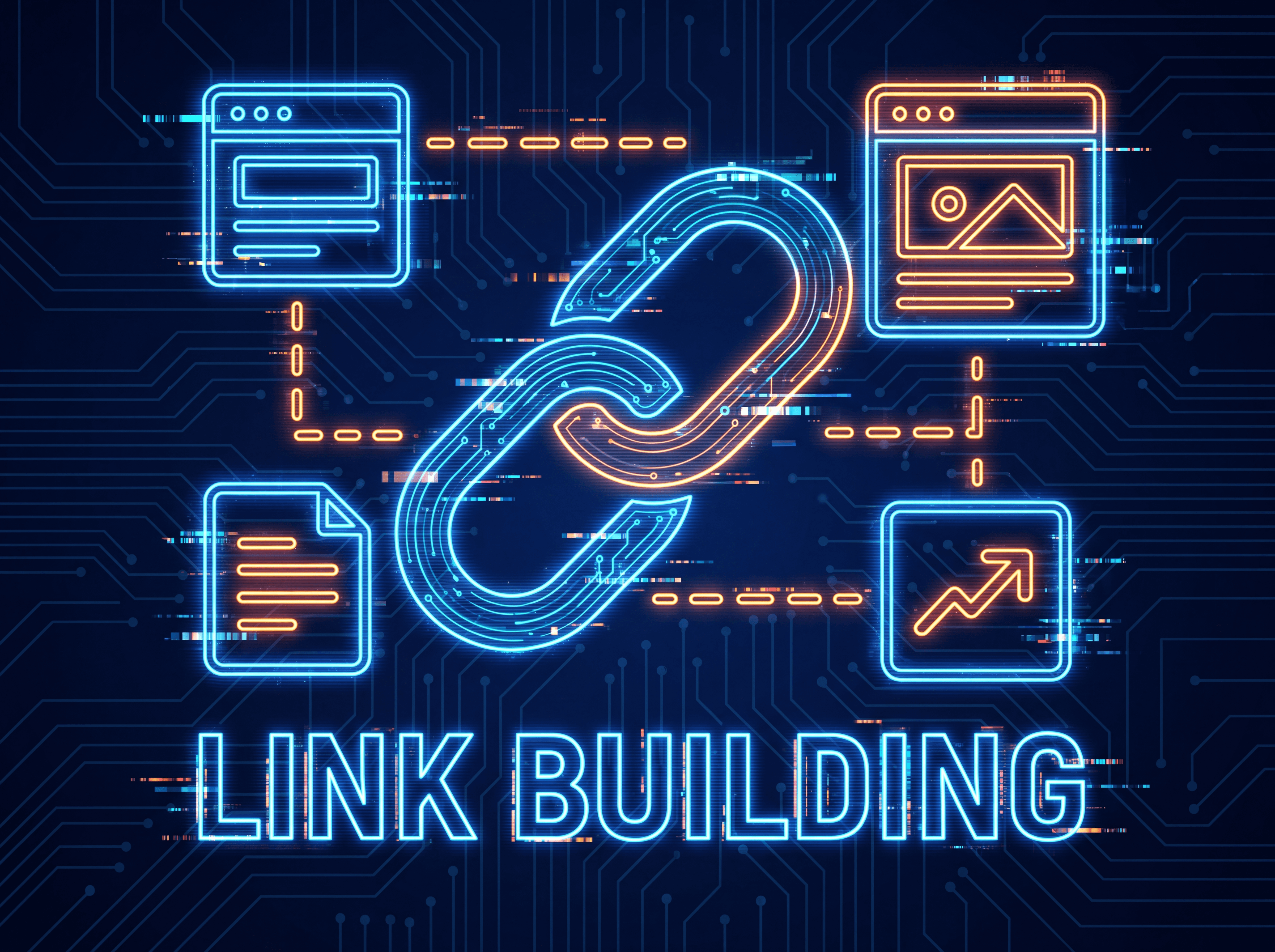
Most link building advice is either outdated or dangerous.
Outdated because it was written before AI search changed the rules. Dangerous because it recommends tactics Google has been penalizing for years: paid links, private blog networks, link exchanges dressed up as "collaborations."
Here's the honest 2026 picture.
<cite index="6-1">73.2% of SEO professionals believe backlinks continue to impact visibility in AI search results. AI does not always evaluate backlinks directly. It looks at how those links help your content rank in traditional search. If Google sees your site as trustworthy, there is a much better chance AI will surface your content.</cite>
Backlinks still matter. They always will. But the strategy for earning them has evolved significantly. Getting mentioned, even without a backlink, now carries weight it never used to. <cite index="6-1">Brand visibility and presence across the web matter more than ever. If your name appears in trusted, relevant content, you are more likely to appear in AI search results, link or no link.</cite>
This guide gives you the complete 2026 link building playbook. What works, what doesn't, how to prioritize, and how to run each tactic correctly.
Why Links Still Matter (And Why They're Harder to Fake)
Before the tactics, understand what's changed and what hasn't.
What hasn't changed: Google uses links as the primary trust signal for ranking. A page with many high-quality backlinks from relevant, authoritative sites consistently outranks a page with fewer. This has been true since PageRank launched in 1998 and remains true in 2026.
What has changed: Google has gotten dramatically better at identifying low-quality, manipulative links. <cite index="11-1">Backlinks have long been recognized as valuable for traditional search, but they're important for AI search as well. AI platforms like ChatGPT, Perplexity, and Google's AI Overviews learn about your brand partly based on how others talk about you online. When relevant sites mention and link to your brand, AI systems recognize you as relevant to those areas.</cite>
This means the old playbook of buying links, spinning up private blog networks, or participating in link farms creates short-term ranking bumps and long-term penalties. The 2026 playbook focuses on earning links through tactics that simultaneously build real brand authority.
There is no shortcut. But there is a clear path.
The Link Quality Hierarchy: Not All Links Are Equal
Before running any tactic, understand which links move the needle and which are noise.
Tier 1: Editorial links from high-authority publications A link from a major news publication, industry journal, or widely-read trade site. These are the most valuable links on the internet. They're hard to earn and impossible to fake. One link from a DR 85 publication is worth more than 500 links from DR 20 blogs.
Tier 2: Editorial links from relevant niche sites A link from a respected site in your specific industry. Even with a lower domain rating, topical relevance matters enormously. A link from the top marketing blog carries more weight for a marketing tool than a link from a high-DR general-interest site.
Tier 3: Links from quality contextual placements Guest posts on legitimate sites with real audiences, resource page inclusions, tool and directory listings on sites that are actually visited.
Tier 4: Low-quality links Generic directories, blog comment spam, link farm placements, reciprocal link exchanges, low-traffic guest posts on sites that exist only to sell links. These provide minimal benefit and increasing risk.
The goal of every tactic in this guide is to earn Tier 1 and Tier 2 links. Anything that produces mostly Tier 4 links is a waste of time at best and a penalty risk at worst.
Tactic 1: Digital PR (The Highest-Leverage Strategy)
Digital PR is the process of creating content specifically designed to earn coverage from journalists and publications, and then pitching that content to the right people.
<cite index="7-1">Digital PR is the strategic practice of earning media coverage, brand mentions, and high-authority backlinks from reputable online publications by creating genuinely newsworthy content. It draws from the principles of traditional public relations, storytelling, and relationship building, and applies them to the digital landscape with SEO outcomes as a primary objective. The key word is earning. Digital PR does not buy links.</cite>
When done right, a single digital PR campaign earns 20 to 60 high-authority links from a piece of content that cost a fraction of what those links would cost to acquire any other way.
<cite index="12-1">In the months following ChatGPT's release, one SEO agency compiled statistics about OpenAI's popularity and compared it to other platforms. The result was 60+ free link placements including mentions on Yahoo News (DR 92), The Wrap (DR 84), and Time magazine (DR 92).</cite>
What makes content worth covering:
Original data and surveys. Journalists need fresh numbers. If you commission a survey of 500 people in your industry, publish the results with clear findings, and pitch it to journalists covering that beat, you have exactly what they need: original data with a story.
Compelling comparisons. Find two things that seem unrelated and connect them with data. "Cities where remote workers earn the most." "Industries paying the highest salaries in 2026." "The most stressed professions by search volume." These produce reliably strong coverage.
Timely data angles. Connect your data to a trend, news story, or seasonal moment journalists are already covering. A story about AI adoption in your industry is more pitchable in the weeks after a major AI news event than it is in a quiet news cycle.
The pitch: <cite index="7-1">The pitch is where most digital PR campaigns fail. Not because the content is weak, but because the pitch does not communicate its value in the first three seconds of reading. Journalists receive hundreds of pitches per week. They scan subject lines and first sentences, and they delete anything that does not immediately signal relevance and value.</cite>
A working pitch is three to four sentences: the data point, why it matters to their audience, and a link to the full report. No attachments. No long backstory. Subject line should contain the data point itself.
Tactic 2: Unlinked Brand Mention Reclamation
This is the fastest link you can earn because someone already decided you were worth mentioning. They just forgot the link.
<cite index="7-1">Use tools like Ahrefs Content Explorer, Google Alerts, or Brandwatch to monitor brand mentions. When you find an unlinked mention on a high-authority domain, send a brief, friendly email thanking the writer for the mention and politely asking if they would add a link.</cite>
How to find unlinked mentions:
Set up Google Alerts for your brand name, product names, and founder names
Use Ahrefs Content Explorer or Semrush to search for your brand across indexed content
Filter results to pages that don't currently link to your domain
Sort by domain rating of the linking page, highest first
How to convert them:
Email the author or editor directly. Be brief. Thank them for the mention. Note that adding a link would help their readers find the source. No pressure, no quid pro quo, just a polite ask.
Conversion rates are high because the site owner already chose to mention you. Adding a link takes them 30 seconds. Most are happy to do it.
This tactic scales. Set a monthly calendar reminder to check for new unlinked mentions. Over time, the stream of new mentions grows as your brand grows, creating a compounding source of links.
Tactic 3: Broken Link Building
A broken link on someone's page is their problem. Your relevant content is the solution. That combination creates one of the most naturally high-converting link building outreach scenarios that exists.
The process:
Find resource pages in your niche. Search Google for: your topic intitle:resources inurl:resources
Check each resource page for broken outbound links using a browser extension like Check My Links
When you find a broken link pointing to dead content you can replace, note the URL and the site's contact information
Email the site owner: tell them about the broken link, identify the dead resource, and offer your content as a working replacement
<cite index="9-1">Quality, relevance, and natural link acquisition are more important than ever. The best way to earn backlinks naturally is to create valuable, in-depth, and unique content that others want to reference.</cite>
The broken link approach works because you arrive with a gift. You identified a problem on their site. You have the solution ready. The conversion rate on these outreach emails significantly outperforms cold guest post pitches.
For this tactic to work, you need content that genuinely replaces what went dead. If the broken link pointed to a comprehensive guide on a topic and your replacement is a shallow page, the site owner won't make the swap. Match or exceed the quality of what was there before.
Tactic 4: The Skyscraper Technique
Find the best-ranking piece of content on a topic. Create something substantially better. Reach out to everyone who links to the original.
The key word is "substantially." A piece that's 10% better earns nothing. A piece that's genuinely twice as useful and twice as current earns links because site owners want to point to the best resource.
How to execute it:
Find high-link-count pages on your topic in Ahrefs or Semrush
Identify specifically how the content can be dramatically improved: outdated data, missing sections, incomplete examples
Create the improved version with fresh data, better structure, and deeper coverage
Email sites linking to the original: mention the updated version and what's specifically better about it
This tactic requires real content investment. Mediocre execution earns nothing. When the content is genuinely the best available resource on a topic, outreach conversion rates are strong because the value proposition is obvious.
Tactic 5: Resource Page Link Building
Resource pages are curated lists of the best content on a topic. They exist specifically to link out to useful resources. Getting listed on them is a natural, editorially clean link.
How to find them:
your topic intitle:resources
your topic inurl:resources
your topic "useful links"
your topic "recommended reading"
For each resource page you find, ask: does my content belong here? Would an editor genuinely want to include it? If yes, the outreach email is simple: note the resource page, explain what your content covers, and ask if it's worth including.
Quality filter: only target resource pages that are actively maintained and on legitimate, trafficked sites. A resource page last updated in 2018 on a site with no real audience is not worth the outreach time.
Tactic 6: Expert Quotes and Journalist Source Outreach
One of the most efficient ways to earn Tier 1 links at scale. Journalists need expert sources. Experts need press mentions. The match creates genuine editorial links from major publications.
How to participate:
Journalist request platforms. Services that connect journalists with expert sources have evolved in 2026. <cite index="6-1">Platforms for expert quotes have evolved to focus more on in-depth expertise and specialist knowledge. AI tools have flooded these platforms with generic responses, which means genuinely specific, well-substantiated expert commentary now stands out more than it ever did before.</cite>
The key: respond fast and be specific. Journalists work on tight deadlines. A response that arrives within an hour with a concrete, quotable insight earns coverage. A thoughtful response that arrives two days late earns nothing.
Direct journalist outreach. Find journalists who regularly cover your industry. Follow their published work. When they write about a topic where you have genuine expertise or data, reach out with a specific angle they haven't covered. Build the relationship before you need it.
Create a speaker profile. Speaking at industry events earns links from event pages, post-event coverage, and speaker profile pages. One speaking engagement can produce five to ten links from high-authority industry sites.
Tactic 7: Strategic Guest Posting
Guest posting works. Scaled link-farm guest posting doesn't, and Google penalizes it.
The distinction is simple: write genuinely useful articles for real publications with real audiences, not low-traffic sites that exist to sell link placements.
How to find legitimate guest posting opportunities:
Search: your topic intitle:"write for us"
Search: your topic intitle:"guest post guidelines"
Search: your topic intitle:"submit a post"
Search: your topic intitle:"contribute"
Better: look at where respected voices in your industry have guest posted. If a journalist or thought leader you respect has contributed to a publication, that publication has editorial standards worth meeting.
One strong guest post per month on a real site beats ten posts on link farms every time.
Tactic 8: Listicle and "Best Of" Inclusion
<cite index="6-1">Listicle placements are one of the four AI link building strategies worth your time right now. Getting your brand included in "best X for Y" roundups earns both backlinks and AI citation potential, because these listicles are the exact format AI systems frequently reference when answering recommendation queries.</cite>
Find existing listicles and roundups in your category. Search for: "best [your category] tools" or "top [your category] [year]."
For each one where you're missing:
Check whether the page is actively maintained and well-ranked
Determine whether your product or content genuinely belongs in the list
Reach out to the author or site owner and make the case for inclusion
The pitch: what specifically makes you worth including? A feature competitors don't have, a price point that fills a gap, a customer segment the roundup doesn't cover. Be specific.
This tactic compounds with AI search. Roundup pages are frequently cited by AI platforms when answering "what's the best X for Y" questions. Getting included earns the backlink and positions your brand in the AI citation chain.
Tactic 9: The Unlinked Competitor Mention
Your competitors get mentioned. Sometimes those mentions are in the context of a problem your product solves better.
Search for competitor brand names on review sites, comparison pages, and industry discussions. Find cases where someone is looking for an alternative to your competitor, or where a reviewer mentioned a weakness your product addresses.
These are natural outreach opportunities. Not to spam the thread or replace mentions, but to add genuinely useful information about your product where the context is clearly relevant.
This tactic also works for listicles. If a roundup includes your top three competitors but not you, and you genuinely belong in that list, a pitch for inclusion is appropriate and often welcomed.
What Reddit SEO Communities Say About Link Building
Practitioners are direct about what works and what's a waste of time.
"One link from a real site beats 100 from link farms." This is the single most consistent message. The practitioners with real long-term ranking gains have small numbers of high-quality links. The ones who bought 500 links saw temporary bumps and then penalties.
"Digital PR is the only scalable way to earn Tier 1 links without buying them." Guest posting on real sites earns one link at a time. Digital PR campaigns earn ten to sixty links from the same effort. The content investment is higher but the per-link cost is far lower.
"Unlinked mention reclamation is criminally underused." Almost every site has dozens or hundreds of unlinked mentions. Most never check. A monthly audit of mentions takes 30 minutes and consistently produces links that cost nothing to earn.
"Stop building links before you have something worth linking to." Pages with no real content depth earn no natural links regardless of outreach volume. The most effective link building starts with content audits to ensure the destination pages deserve the links being built to them.
"Reddit participation builds authority now." <cite index="6-1">Reddit participation is one of the four link building strategies that work in the AI search era.</cite> Genuine contributions to relevant subreddits build brand visibility that AI systems cross-reference when assessing authority. Not spam. Genuine helpfulness in communities where your audience lives.
The Link Building Mistakes That Cost Rankings

Buying links. Google has become very good at identifying purchased links. The penalty can take months to recover from.
Link exchanges. "I'll link to you if you link to me" is explicitly against Google's guidelines when done for SEO purposes.
Private blog networks. Sites that exist purely to sell links. Google identifies and devalues these regularly.
Irrelevant links. A cooking blog linking to a cybersecurity company passes almost no authority. Relevance matters as much as quality.
Anchor text over-optimization. Every link using the exact same keyword-rich anchor text looks manipulative. Natural anchor text variation is essential.
Ignoring link velocity. A sudden spike of 500 links in one month from a site that previously had 10 looks manipulative. Build links at a natural pace.
Building links to weak pages. Links to pages with thin content waste the authority being passed. Ensure your destination pages deserve the link.
No disavow process. Toxic links accumulate over time. Review your backlink profile twice a year and disavow clearly spammy links.
Your 30-Day Link Building Starter Plan
Week 1: Audit and foundation. Run a backlink audit. Find your current linking root domain count. Identify 10 unlinked brand mentions and email each one for a link. Set up Google Alerts for your brand name.
Week 2: Quick wins. Find 5 broken link opportunities on resource pages in your niche. Build or identify a piece of content that replaces each dead resource. Send outreach emails.
Week 3: Content for digital PR. Identify one compelling data angle relevant to your industry. Commission a survey or compile existing data into an original report. Draft the content and prepare a media list of 20 journalists who cover your topic.
Week 4: Outreach. Pitch the digital PR content to your media list. Identify 3 legitimate guest posting opportunities. Pitch each with a specific, relevant topic idea.
Repeat monthly. Link building compounds. The brands with the strongest backlink profiles today started building them consistently two or three years ago and never stopped.
The Bottom Line
Link building in 2026 is not complicated. It's just harder than most people want it to be.
Earn links by creating content worth linking to. Use digital PR to earn links at scale from major publications. Reclaim unlinked mentions. Fix broken links on relevant resource pages. Guest post on real sites with real audiences. Get included in listicles that AI systems cite.
Every shortcut has been tried. Every shortcut has eventually been penalized.
The brands with the strongest link profiles built them the slow way, one real link at a time, from sites that linked because the content deserved it.
That's still the only way that works.
Now go find your first unlinked brand mention and send the email.
Blogs
More Blogs
From keyword goldmines to AI-driven content hacks—expert insights to help your blog posts dominate the first page.